The Future of the Auto Repair Service Industry
The auto repair service industry continues to evolve, shaped by changing consumer expectations and advancements in automotive technology. Traditional maintenance and repair practices remain essential, as vehicles require regular attention to stay safe, reliable, and efficient. Understanding these trends and their implications is important for businesses seeking to provide high-quality service and meet customer needs.
Consumers increasingly expect transparency, convenience, and dependable service from auto repair service providers. These expectations encourage shops to streamline operations, communicate clearly, and maintain consistent service quality. This article examines key factors influencing the auto repair service industry and highlights strategies for sustaining success in a competitive landscape.
To remain relevant, auto repair service businesses must focus on delivering comprehensive, reliable services while maintaining skilled technicians and efficient operations. By prioritizing quality, consistency, and customer satisfaction, repair shops can continue to thrive in a dynamic automotive market. According to LLCBuddy.com, information on the electric automotive services sector reveals that 7% of all U.S. automobiles will be electric by 2030.
Enhance Vehicle Safety Through Reliable Repairs and Inspections
Auto repair service providers deliver critical services to keep vehicles safe and roadworthy. From brakes and tires to suspension and exhaust systems, consistent maintenance ensures both vehicle performance and driver safety. Regular inspections help identify issues early and prevent costly repairs down the road. Routine inspections also help vehicle owners understand their cars better, allowing them to plan ahead for maintenance and avoid unexpected breakdowns. By offering comprehensive inspection checklists, repair shops can educate customers about the components that require regular attention, including fluid levels, belts, and hoses. This proactive approach not only keeps vehicles in good condition but also builds confidence in the services provided.
Improve Accuracy Through Efficient Diagnostics and Skilled Technicians
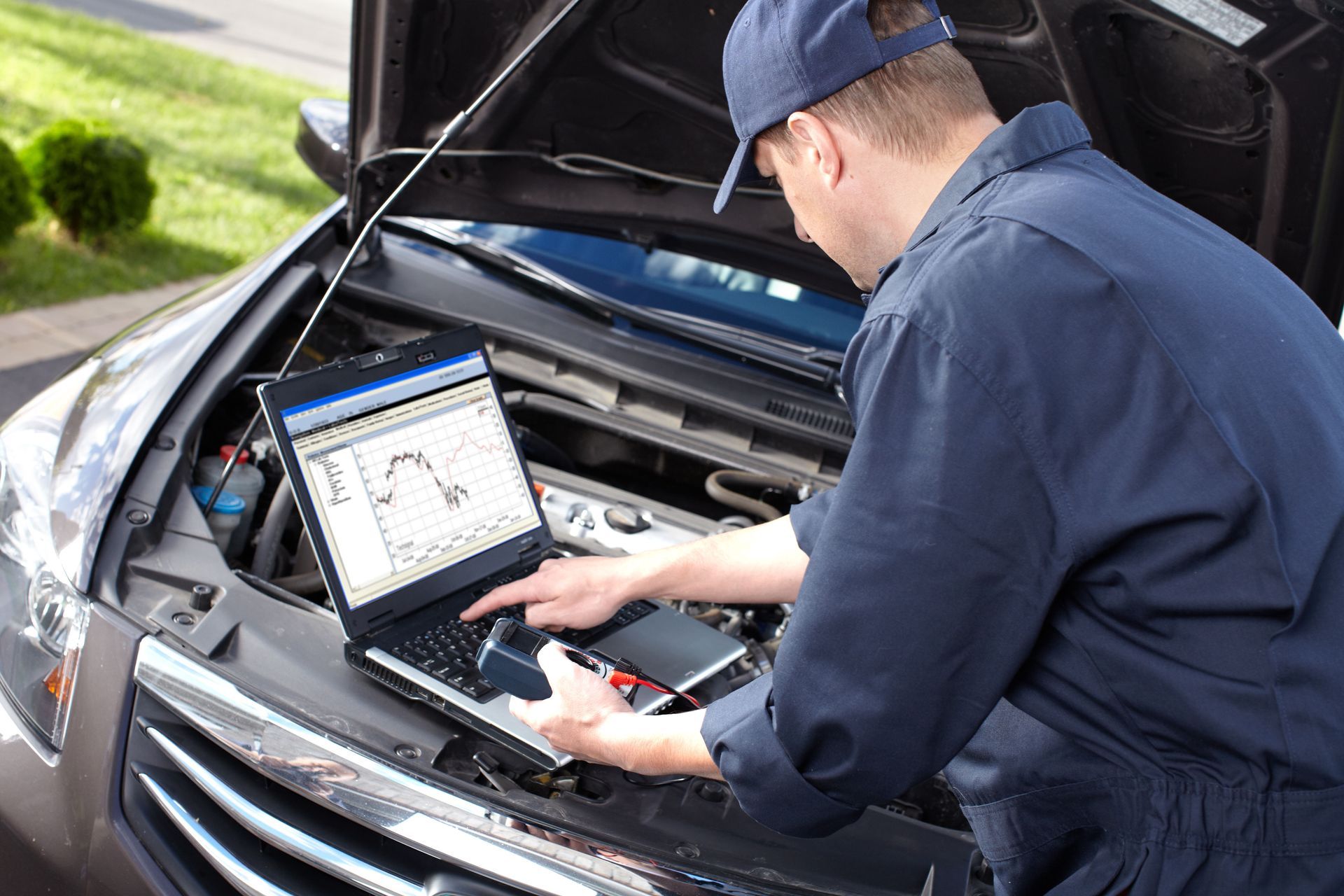
Accurate vehicle diagnostics are essential for effective repairs. Experienced technicians use established diagnostic procedures to identify issues in engines, brakes, electrical systems, and more. By combining technical expertise with careful inspection, repair shops ensure timely, dependable solutions for every customer. Technicians also work closely with customers to explain findings in clear, understandable terms. This process allows vehicle owners to make informed decisions about repairs and prioritize services based on need. Establishing this type of communication helps build long-term relationships and demonstrates the value of professional auto repair service.
Optimize Performance Through Smart Tools and Equipment
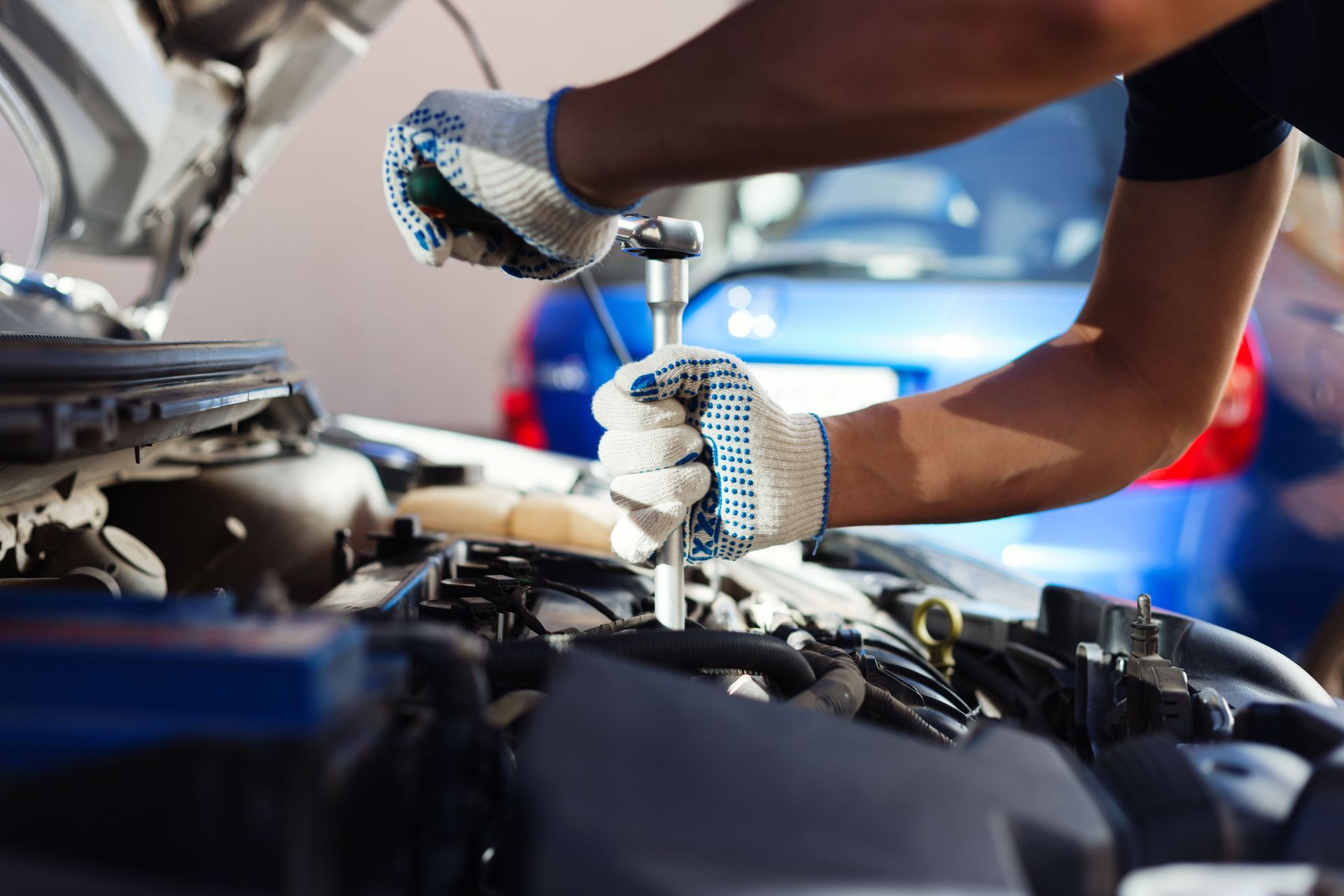
As vehicles are maintained and repaired, the tools used by technicians continue to evolve. High-quality, precise tools help ensure accurate diagnostics and repairs, improving service quality and reliability for every customer. Using specialized hand tools, diagnostic devices, and lifting equipment, repair shops can perform tasks safely and efficiently. Having the right tools readily available also reduces repair time and ensures that maintenance procedures are performed correctly. This attention to detail contributes to better vehicle performance and a positive customer experience.
Streamline Maintenance Through Software-Driven Repairs
Technicians specialize in maintaining and repairing mechanical and electrical systems. Services include engine diagnostics, brake and suspension repair, exhaust work, and state inspections, ensuring vehicles run safely and efficiently. Even without complex software or advanced systems, organized repair processes and structured service procedures help technicians work efficiently. By documenting repairs and following step-by-step protocols, repair shops can maintain consistency and reduce the risk of errors. This structured approach ensures that every vehicle receives careful attention, regardless of make or model.
Develop Expertise Through Advanced Technician Training
Technicians continue to build expertise through hands-on experience with a variety of vehicles. Ongoing skill development in mechanical and electrical systems ensures they can maintain and repair engines, brakes, suspension, and exhaust systems effectively. This practical experience keeps vehicles safe and operational for daily use. Many technicians also develop specialized knowledge for particular vehicle types or models, allowing them to address unique maintenance challenges. This expertise provides customers with confidence that their vehicles are being serviced by professionals who understand the specific needs of their cars.
Additionally, technicians often rotate through different service areas to gain exposure to a broad range of tasks and problems. This variety strengthens problem-solving skills and allows staff to learn from multiple perspectives within the shop. Even routine maintenance procedures become opportunities for refining techniques, improving efficiency, and reinforcing best practices. Technicians also benefit from mentoring relationships, where more experienced staff provide guidance and tips to newer team members. Through consistent practice and ongoing observation, technicians gradually develop the intuition and judgment needed to handle complex or unexpected situations. Over time, this continuous engagement helps build a well-rounded, adaptable workforce capable of maintaining high service standards across all vehicle types.
Strengthen Skills Through Certification and Continuous Learning
Technicians rely on practical experience and a deep understanding of automotive systems to provide high-quality repairs. Continual hands-on learning helps maintain proficiency across engine, brake, suspension, and exhaust work. Repair shops often encourage technicians to participate in ongoing workshops, training sessions, and peer learning. These opportunities allow staff to refine their techniques, learn about new maintenance practices, and stay adaptable in a changing industry. Such efforts ensure consistent service quality across the team, which is critical for any auto repair service provider.
In addition, continuous learning helps technicians stay organized and methodical in their work. Practicing step-by-step procedures repeatedly reinforces precision and reduces the likelihood of oversights. Technicians can also observe small details during everyday maintenance that may otherwise go unnoticed, gradually enhancing their knowledge of how various components interact within a vehicle. This type of steady, ongoing learning builds confidence and promotes a culture of professionalism within the repair shop. Even without formal certifications, these structured learning habits contribute to dependable performance and high-quality service for every customer.
Integrate Practices Through Traditional and Modern Techniques
While technological advancements shape future vehicle maintenance, bridging traditional and modern practices remains crucial for well-rounded auto technician capabilities. Familiarity with mechanical foundations provides a solid base for understanding contemporary systems. By integrating this knowledge with modern tools and digital diagnostics, technicians can offer holistic service solutions. The combined application of mechanics and modern technology deepens the technician's ability to address diverse client needs. Blending traditional practices with digital competencies exemplifies the value of preserving mechanical expertise alongside technological progress. Technicians expertly adapting both mechanical and digital tools can seamlessly navigate between complex diagnostic procedures and traditional repair techniques. Balancing these approaches enhances versatility in resolving issues, ensuring technicians offer comprehensive service.
Elevate Service Through Customer-Focused Solutions
Technicians apply their experience and expertise to carefully monitor vehicle performance, identifying issues efficiently and providing solutions that keep vehicles running safely and reliably. This hands-on approach ensures consistent, high-quality service for every customer. Personalized service also involves understanding customers’ schedules and needs, providing flexible appointment times and clear guidance on maintenance priorities. By tailoring service to individual requirements, repair shops can offer a more convenient and satisfying experience for every client. Focusing on these practices helps establish long-term relationships with clients and encourages repeat visits to the auto repair service provider.
Respond to Demands Through Understanding Consumer Expectations
Consumer expectations are rising regarding transparency and clarity in service deliveries. Customers desire clear, detailed insights into repair processes, costs, and timelines to make informed decisions. Clear communication lays the groundwork for positive client experiences, fostering loyalty and ongoing business. Shops that prioritize openness through clear communication, providing itemized estimates and accessible service history, position themselves favorably in consumers’ eyes. Emphasizing transparent service practices aligns with modern customer demands for authenticity in the automotive market.
At Car Care 1, we focus on clear communication, thorough explanations of completed work, and practical vehicle care tips. These practices help customers feel confident in our maintenance choices and encourage ongoing care. Learn more about how Car Care 1 can keep our vehicle running smoothly and safely. The auto repair service we provide is dedicated to delivering reliable, professional, and customer-centered maintenance at every visit.
Share On: